Mental Health Awareness in Relation to Work
Lately, I’ve seen and heard a lot of young people online; especially those with ADHD, autism, PTSD, and other neurodivergences, talking about how they’ll never be able to find or hold down a “normal” job because of their mental health challenges and the challenges of work culture.
Honestly? There was a time where that was relatable. Traditional work structures can be intimidating. Fluorescent lights. Rigid schedules. Unspoken rules. Emotional labor that doesn’t show up on a paycheck. But I don’t think it’s a personal failing if you feel overwhelmed or drained from work faster than other people do. The issue is with compatibility between your mind and your systems.
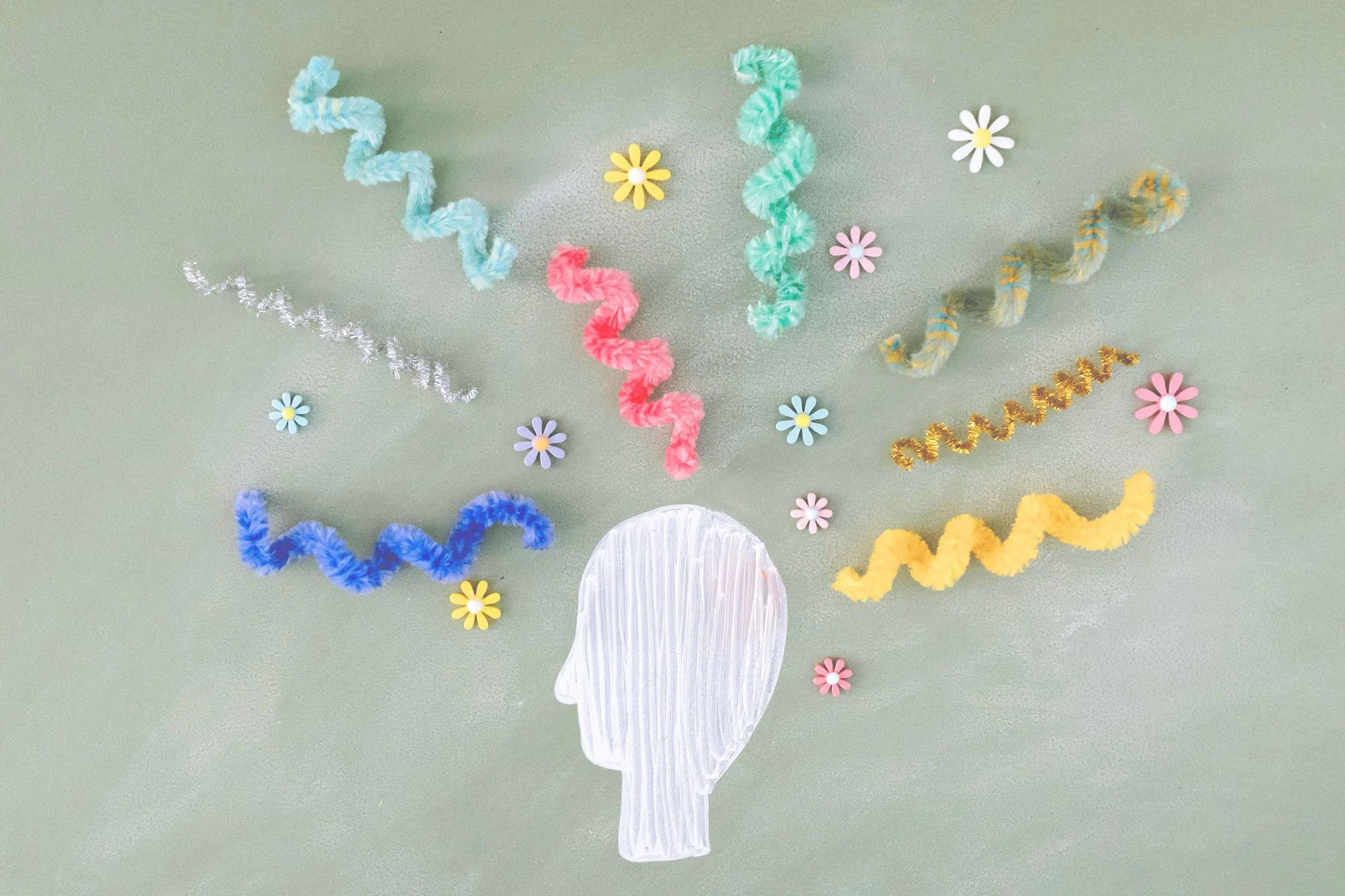
Photo by Tara Winstead from Pexels
I’m seeing this reflected more online lately. Just today (as I was working on this blog post) an art-director I really look up to, Qori Broaster, published a YouTube video where she candidly spoke about her struggles with depression and mental health and why that led to her feeling a creative block and being overwhelmed with work and life.
Experience like this can halt you in your tracks. They can throw off all of your balance and make even just taking a phone call a gauntlet. Still, I have never believed that anyone is truly limited in what they can achieve because of a disability or neurodiversity.
People with all kinds of different challenges are capable of achieving great things, producing amazing work, and showing up as meaningful contributors.
If anything, now is one of the best times in history to not fit the mold.
With so many different career paths available, remote and hybrid work, content creation, online businesses and side-hustle culture, one might argue that now is a better time than ever for people with disabilities and neurodiversities to succeed and contribute to society.
With all this flexible work there also seems to be a rise in mental health awareness and understanding. At least it’s not as taboo a subject as it was in the year 2000.
These days, people are earning money in more diverse ways than ever, often by leaning into how their brains work.
Even off of the internet, the range of ideas for what work can look like feels broader. Niche services, community-based work, flexible roles, project-based contracts. It’s not just one ladder anymore– it’s a jungle gym (like a slightly less terrifying squid game 👀)
Basically, for young professionals who feel discouraged I want to offer some advice. It comes down to energy, not just ability. I don’t think success is about grinding harder or pretending burnout is a personality trait. It’s about how you spend your time, money, and energy.
A few things that actually make a difference:
Invest in good tools
Tools that support you aren’t indulgences, they are a necessity for you to get a leg up as you grow as a professional. That might mean software, automation, workshops, therapy, noise-canceling headphones, or simply a neat desk set up.Build skills you’re genuinely interested in
Passion is going to be your biggest motivator. Especially if your energy is limited, interest is often what makes consistency possible. Try to do work that you care about.Collaboration and networking (aka: find your people)
You don’t have to do everything alone. Having healthy working relationships can help cover the gaps when it comes to the cognitive strain that can come with lots of work. If you’re going to make assumptions, always assume positive intent. Your clients, customers and the people you work with never want to make your life harder.Work–life balance is not a myth
It’s accessible when you stop measuring success by how exhausted you are. Sustainable work beats impressive burnout every time. What works for everyone is different. Slower season, stepping away from roles, saying no to work… it all can feel really scary, because the old system isn’t set up for us to do those things… but tbh thee old system kind of sucks, don’t be afraid to break the status quo. Your mental health matters.
Mental Health Isn’t a Dirty Word
Like I mentioned a bit before, when I was growing up, mental health was basically a taboo topic. I don’t think I heard the phrase “mental health day” until years into working full-time—and even then, it felt risky to say out loud.
Now? People are more open. Employers are (slowly) more understanding. Conversations about boundaries, accommodations, and burnout are happening in public.
Some people debate whether that’s a good or bad thing. Personally? I think naming reality can give employees leverage and free up some of the brain space dedicated to the mental gymnastics of trying to “be normal.” You can’t design better systems if you’re pretending everything is fine.
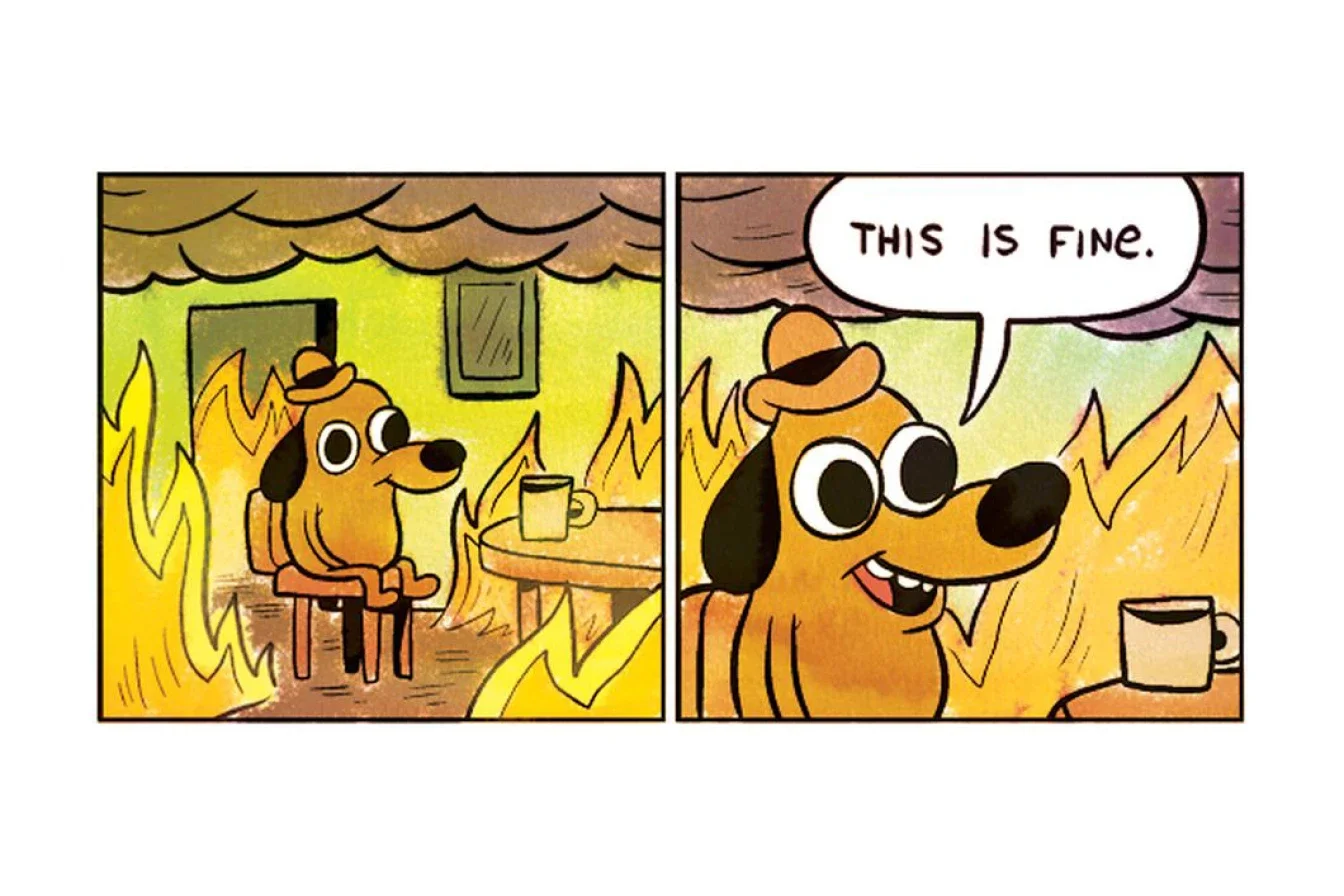
The first two cells of artist KC Green's comic "On Fire." It has since become a meme online called "This Is Fine." (KC Green)
If you’ve ever felt like you can’t succeed because you don’t meet the traditional expectations, I want you to hear this clearly:
You’re not failing. You are doing amazing.
And for those who say “everyone is overdiagnosed now” I hear you in a way, but maybe it’s time to rethink. I’m not encouraging anyone to make excuses or practice self-limiting beliefs.
Understanding how your mind and body work doesn’t limit you—it gives you leverage.
A diagnosis isn’t a sentence. It’s actually information that lets you be more efficient, more adaptable, and better equipped to build a life and work style that actually fits you.
Before we had the language, people still struggled. They just blamed themselves. They burned out silently, cycled through jobs, or assumed they were lazy, broken, or “bad at life.”
Now? We can name patterns. We can experiment with tools. We can advocate for accommodations. We can build systems around reality instead of forcing ourselves into shapes that don’t fit.
We don’t criticize someone for learning how their metabolism works. Or how their eyesight works. Or how their nervous system responds to stress. Mental health shouldn’t be any different.
If anything, this era of diagnosis is producing people who are more self-aware, more communicative, and more intentional about how they work than ever before.
Locking in for the Long Game
I’m not sure how many other people were on this train but towards the end of 2025 I saw a lot of content about “the great lock-in” and, in a way, this year has been an extension of that energy. Because of all these changes and shifts in the way that we work, 2026 is the time to build up your portfolio.
Doing that earnestly is going to be a lot of hard work. But now is the time to push yourself to manage your time and keep a balance that allows you to show up and to put in the energy to hone your skills and produce and publish work that you are passionate about. It’s not supposed to be easy, but it will be so worthwhile to have built up a body of work that shows employers your unique brand and what you bring to the table.
Right now, college programs are learning how to adapt. Jobs are learning how to upskill and reskill based on AI. Professionals are managing side hustles.
There’s a lot going on and a lot of changes. But, if utilized correctly, this new skill-first economy is exciting for both adaptable professionals who seek flexible lifestyles and meaningful impact (we are tired of bullshit jobs!) and for adaptable employers who are hiring in the age of AI.
For employers, getting quality, skilled work is inherently valuable and necessary to stay afloat in our economy. And for employees with deep expertise, nerds, intellectuals, designers, creatives, and writers, this is an exciting time to position yourself to succeed in a new frontier. If you have a diverse range of skills, passions, or interests, now is the time to show your work with intention and confidence.
The career ladder may be shifting, but it’s being replaced with something more flexible, more human and more honest: proof of what we can actually do.
Thanks for checking out my blog! Leave a comment or shoot me a message if you’ve got any tips or experience with balancing your mental well-being and your dedication to work!
